After a hit-and-run accident in Chattanooga, get medical care, call the police from the scene, and write down everything you can about the other vehicle.
Those same steps protect a later claim under your own uninsured motorist coverage, which Tennessee law makes available when the driver is never found. The claim depends on meeting certain statutory conditions and on filing a lawsuit within the deadline, even though the other driver is unknown.
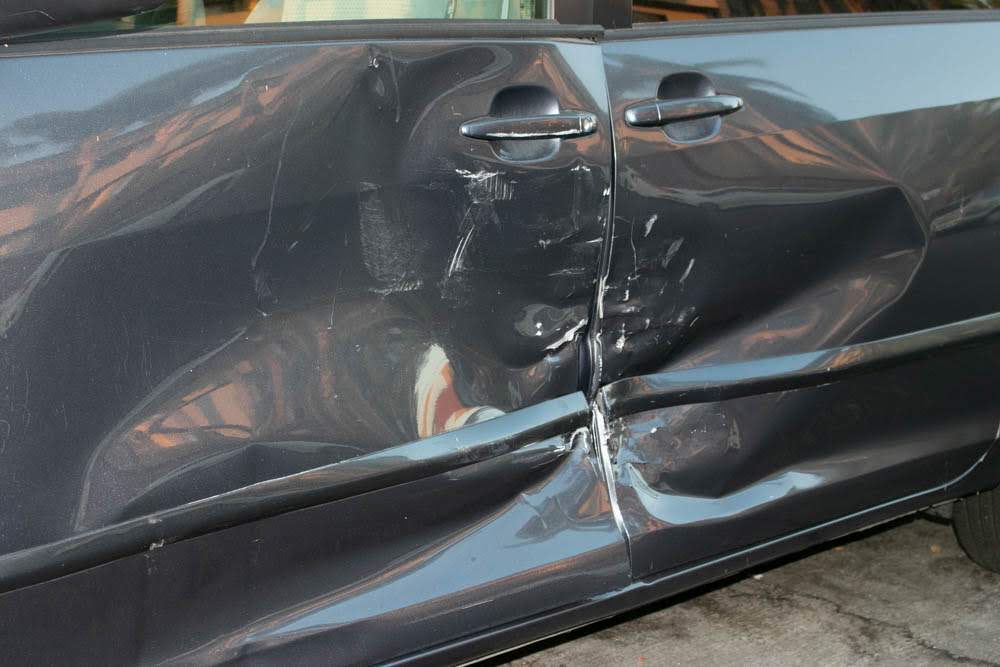
Right after a hit-and-run in Chattanooga, get to safety, call 911, and ask for police to come to the scene. Then record the other car's description, plate, and direction of travel, photograph the damage, and collect witness contact details. Report the crash promptly, because your insurance claim may depend on it.
The driver who left broke Tennessee law. Under Tenn. Code Ann. § 55-10-101, a driver in a crash that injures someone must stop and remain at the scene. Leaving after a crash that causes injury is a Class A misdemeanor. If the driver knew or should have known that someone died, the offense is a felony. For offenses committed on or after July 1, 2026, Tennessee classifies that as a Class D felony, up from a Class E felony under the prior law.
Practical steps that help later include:
Every auto policy delivered in Tennessee must include uninsured motorist coverage unless the named insured rejected it in writing, under Tenn. Code Ann. § 56-7-1201. If the driver is never found, that coverage on your own policy may be the only source of recovery.
The statute sets specific conditions when the at-fault driver is unknown. Your claim can go forward only if each one is met.
| Condition in § 56-7-1201(e) | What it means | How to protect it |
|---|---|---|
| Physical contact, or clear and convincing proof | Either the other car actually struck you or your vehicle, or, if there was no contact, its existence is proven by clear and convincing evidence other than evidence from people in your own car | Photograph damage and paint transfer. If there was no contact, find independent witnesses or video |
| Report to law enforcement | You or someone on your behalf reported the crash to the appropriate agency within a reasonable time | Call police from the scene as soon as you can |
| No negligence in identifying the driver | You were not careless in failing to determine who the other driver was | Write down what you saw and what you did to identify them |
A near miss that forces you off the road with no contact is a harder version of this claim. Because the “other than people in your vehicle” rule applies to that route, the testimony of an independent witness or video footage can decide whether coverage applies at all.
The police report is often the first document an insurer asks for. The City of Chattanooga takes police record requests through its online Open Records Center, and the Open Records office in the Office of the City Attorney can be reached at (423) 643-8250.
Tennessee also runs an online crash report system through the Department of Safety and Homeland Security. Reports from local police and sheriff departments should be available there within seven business days, and the online copy costs $10.
Check the report for errors in the vehicle description, the direction of travel, and witness names.
Hamilton County recorded 11,059 crashes in 2025, including 36 fatal crashes and 2,653 injury crashes, according to the Tennessee Department of Safety and Homeland Security. With that much traffic, an injured driver should not assume an unknown driver will be identified quickly, or at all.
If police do find the driver, the claim usually shifts to that driver's liability insurance. Tennessee's minimum liability limits are 25/50/25, meaning $25,000 for one person's injuries, and that amount may not cover a serious injury.
A Chattanooga car accident lawyer can sort out which policies apply and in what order.
Tennessee’s general deadline to file a personal injury lawsuit is one year after the injury, under Tenn. Code Ann. § 28-3-104(a)(1). That one-year date also governs the John Doe lawsuit needed to preserve an uninsured motorist claim, so plan around it from the start.
A narrow exception can extend the deadline to two years. Under § 28-3-104(a)(2), the period is two years if criminal charges are brought against the person alleged to have caused the injury and a criminal prosecution is commenced. Courts apply this exception strictly.
A civil or municipal ordinance citation, for example, has been held not to qualify, while a traffic citation for a misdemeanor offense has been held to count as a criminal charge. The extension also helps only if the driver is identified and you sue that driver. It does not change the deadline for a John Doe suit against an unknown driver, so do not rely on it. Whether it applies depends on the exact facts.
Our overview of Tennessee car accident claims covers the other deadlines that can apply to a crash.
Often, yes. Your own uninsured motorist coverage may pay if the statute's conditions on contact, reporting, and identification are met.
Yes. Tennessee's statute requires that the crash be reported to the appropriate law enforcement agency within a reasonable time.
The claim is harder, but not always lost. You need clear and convincing evidence of the other car that does not come from people in your vehicle, such as an independent witness or video.
The claim can then proceed against that driver's liability insurance. Your own coverage may still apply if their limits are too low.
A hit-and-run leaves you with questions the other driver should have answered at the scene. To talk through yours, reach Fox & Farmer Attorneys at Law for a free consultation at 865-531-9400.
Last reviewed: November 2026
This post was reviewed by Bradley A. Farmer, licensed in Tennessee since 1994.
Content is provided for informational purposes only and does not constitute legal advice. Consult a licensed Tennessee attorney for guidance specific to your situation.

If you've been involved in a motorcycle accident in East Tennessee, you're likely in pain...

Tennessee decides who can file a wrongful death lawsuit by statute, not by who was...

State of Franklin Road accidents Johnson City drivers are involved in tend to happen on...