Knowing what to do after a car accident in Tennessee is largely a matter of preserving records, and some of the most useful evidence has a short shelf life. The filing deadline is one year under Tenn. Code Ann. § 28-3-104(a)(1), but important evidence can disappear much sooner.
A legal team can help identify important records and take steps to preserve them.
The first record most people want is the crash report, and the common obstacle is asking the wrong agency for it.
Investigation follows jurisdiction. The Tennessee Highway Patrol works in crashes on interstates and state routes, city police handle incidents inside municipal limits, and a county sheriff's office covers unincorporated areas.
In Knox County, that distinction is live rather than theoretical. Knoxville Police Department covers incidents inside the city limits, the Knox County Sheriff's Office covers the unincorporated county, and Farragut is a separately incorporated town. Confirming which agency responded before requesting anything saves weeks.
Crash data statewide is compiled by the Tennessee Department of Safety and Homeland Security through the TITAN system, and the department publishes Tennessee crash data drawn from it.
The material that decides fault arguments is usually gone long before the deadline approaches. In rough order of how quickly it disappears:
Camera footage is the most urgent of these and the most frequently lost. A request made in week one often succeeds where the same request in month two returns nothing at all.
A phone camera at the scene captures details no crash report records, including final vehicle positions, damage angles, road conditions, signage, sight lines, and weather. These details may become disputed later and can be difficult to reconstruct from memory.
Photographs also preserve metadata. Timestamps and, often, location information help establish when and where they were taken, resolving disputes that might otherwise depend on competing recollections.
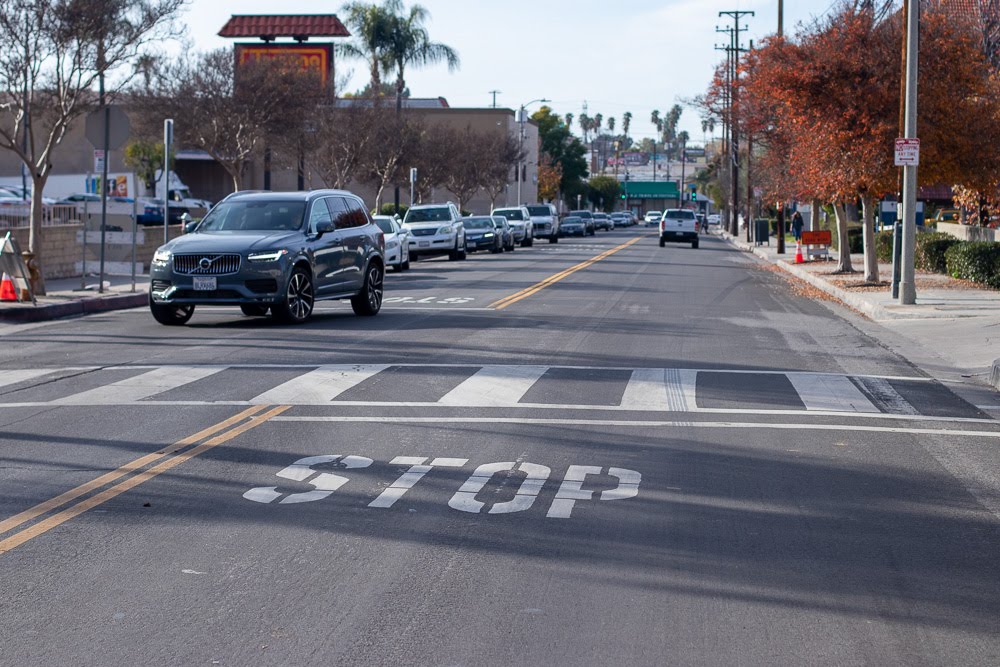
This is particularly important in pedestrian accidents, where crosswalk markings, visibility, traffic signals, and the surrounding roadway may help explain what happened. A Knoxville pedestrian accident lawyer can help assess which evidence may support the claim.
If injuries prevented photographs at the scene, consider returning soon afterward if it is safe. Conditions change with seasons and roadwork, but early photographs can still help document the location.
A request for a recorded statement from the other driver’s insurer arrives early and sounds routine. It is not a legal requirement, and you have no obligation to provide one on the spot. Your own insurer is a different matter. Most policies include a cooperation clause, so you should generally report the crash and answer your own carrier’s questions, while still taking care about what you say and considering getting advice before giving a recorded statement.
The same caution applies to signing broad medical authorizations, which can open a wider history than the claim requires. Neither point involves being uncooperative. It involves not making decisions under pressure in the days after a collision.
It is also worth knowing that settlement negotiations do not pause the filing deadline. An active claim file and a responsive adjuster have no effect on the one-year period.
Get medical attention as soon as possible after a crash, even if you feel fine. Some serious injuries do not show symptoms right away, and early care protects your health first and your claim second.
The record also matters for the claim. Insurers often point to a gap between the crash and the first medical visit to argue that something else caused the problem, so a prompt first assessment helps. For serious injuries in the Knoxville area, the record often begins at the University of Tennessee Medical Center on Alcoa Highway, a Level I trauma center. For less severe injuries, it begins wherever someone was first seen, and that first note matters disproportionately.
Keeping a simple record of symptoms, missed work, and daily limitations alongside the clinical file fills a gap medical notes rarely cover.
Reporting a crash to your own insurer is separate from making a claim against anyone, and the two get conflated. Most policies require prompt notification as a condition of coverage, and that obligation exists regardless of who was at fault.
This matters particularly where uninsured or underinsured motorist coverage may come into play. Under Tenn. Code Ann. § 56-7-1201, that coverage is included by default in Tennessee auto liability policies and can be rejected only in writing, so the first useful step is establishing what your own policy actually contains.
Notifying your insurer is not an admission of anything. It preserves the coverage you already pay for while the rest of the claim is worked out.
| Evidence | Typical window. |
| Camera footage | Days, before systems overwrite. |
| Vehicle condition | Until repair, sale, or salvage. |
| Crash report | Available from the investigating agency, once identified. |
| Filing deadline | One year, Tenn. Code Ann. 28-3-104(a)(1). |
What Should Tennessee Drivers Do First After a Car Accident?
Identify which agency investigated so the crash report can be requested, and preserve photographs and any camera footage before it is overwritten.
How Can I Find Out Which Agency Has My Tennessee Crash Report?
It depends on where the crash happened. The Tennessee Highway Patrol works interstates and state routes, city police cover municipal limits, and the sheriff's office covers unincorporated areas.
Am I Required to Give the Other Driver’s Insurance Company a Recorded Statement?
No. It is not a legal requirement, and there is no obligation to provide one immediately after a collision.
Important evidence can disappear quickly after a car accident. Camera footage may be erased, vehicles repaired, and witness memories fade. Taking action early can help protect the records and information needed to support your claim.
Fox & Farmer offers a free consultation to discuss your accident and legal options. Contact us or call 865-531-9400 to speak with an attorney.
Last reviewed: November 2026
This post was reviewed by Steve E. Fox, licensed in Tennessee since 1992.
Content is provided for informational purposes only and does not constitute legal advice. Consult a licensed Tennessee attorney for guidance specific to your situation.

Blount County, TN motorcycle accidents rank 4th in Tennessee’s 95 counties for the number of...

If you've been involved in a motorcycle accident in East Tennessee, you're likely in pain...

Under Tennessee Code section 55-9-604, a driver or passenger's failure to wear a safety belt...